
Why the Stroke Awareness Ribbon Matters: Understanding the Stroke Awareness Ribbon Meaning
Stroke is a serious health condition that affects millions of people worldwide. Recognizing the signs early and understanding the risks can save lives. One powerful tool in raising awareness is the stroke awareness ribbon. This simple symbol carries a deep meaning and helps spread knowledge about stroke prevention, treatment, and recovery. In this post, I will explain why the stroke awareness ribbon matters and how it can make a difference for families, caregivers, and communities.
The Stroke Awareness Ribbon Meaning: A Symbol of Hope and Education
The stroke awareness ribbon is more than just a piece of colored fabric. It represents hope, support, and education for those affected by stroke. When you see this ribbon, it reminds you of the importance of recognizing stroke symptoms quickly and acting fast. It also honors survivors and caregivers who face the challenges of stroke every day.
Using the ribbon in campaigns, events, and educational materials helps create a unified message. It encourages people to learn about stroke risk factors such as high blood pressure, smoking, and diabetes. It also promotes healthy lifestyle choices that can reduce the chance of having a stroke.
By wearing or displaying the ribbon, individuals show solidarity with stroke survivors and their families. It helps reduce stigma and fosters a community of understanding and compassion. This shared symbol motivates people to get involved in stroke awareness efforts and support research for better treatments.
How the Stroke Awareness Ribbon Helps Families and Caregivers
Families and caregivers play a crucial role in stroke prevention and recovery. The stroke awareness ribbon serves as a reminder for them to stay informed and prepared. It encourages caregivers to learn the signs of stroke, such as sudden weakness, confusion, or trouble speaking. Early recognition can lead to faster medical help and better outcomes.
The ribbon also highlights the need for emotional support. Stroke recovery can be a long and difficult journey. Families often face stress, uncertainty, and changes in daily life. Seeing the ribbon can remind caregivers that they are not alone and that resources and support groups are available.
For parents and teachers, the ribbon can be a teaching tool. It opens conversations about health and safety with children and young adults. Educating the younger generation about stroke risk factors and healthy habits can help prevent strokes in the future.
What Color Ribbon Is for Stroke Awareness?
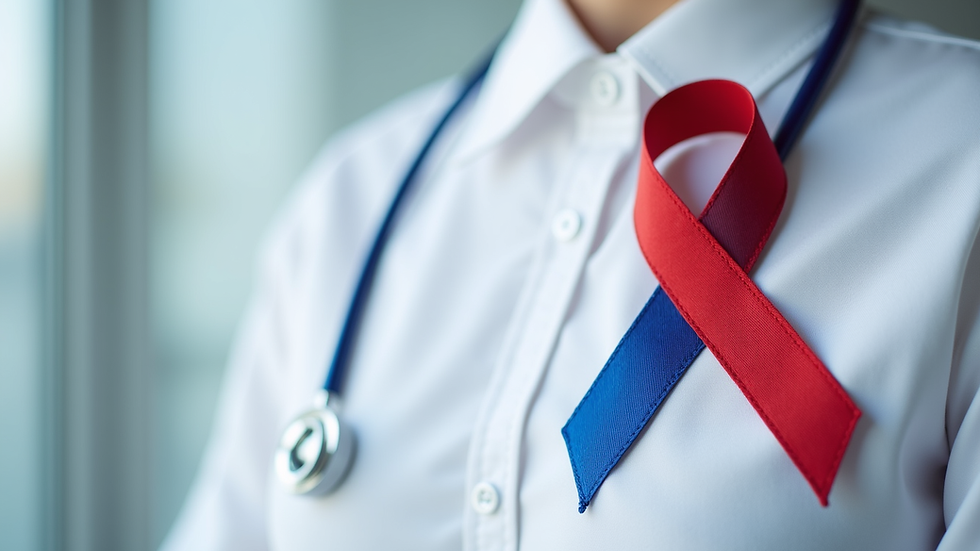
The color of the stroke awareness ribbon is red and blue. These colors are chosen to represent the urgency and seriousness of stroke. Red symbolizes the heart and blood, highlighting the connection between stroke and cardiovascular health. Blue represents calmness and hope, reflecting the support and recovery process.
Using these colors consistently helps people quickly identify stroke awareness campaigns and materials. It also distinguishes stroke awareness from other health causes that use different ribbon colors.
When you see a red and blue ribbon, remember it stands for stroke awareness. It is a call to action to learn the signs, reduce risks, and support those affected.

Practical Ways to Use the Stroke Awareness Ribbon
You can use the stroke awareness ribbon in many practical ways to help spread knowledge and support. Here are some ideas:
Wear the ribbon during stroke awareness month or at community events. This simple act sparks conversations and raises curiosity.
Share information about stroke symptoms and prevention alongside the ribbon on social media or newsletters.
Organize educational sessions for families, schools, and caregivers using the ribbon as a visual aid.
Include the ribbon in fundraising efforts to support stroke research and survivor programs.
Display the ribbon in healthcare settings, community centers, and workplaces to remind everyone of stroke risks and the importance of quick action.
By incorporating the ribbon into your activities, you help build a stronger, more informed community. You also encourage people to take stroke seriously and act promptly.
If you want to learn more about the stroke ribbon for awareness, visit trusted websites that provide detailed information and resources.
Encouraging Early Recognition and Prevention Through Awareness
The stroke awareness ribbon plays a vital role in encouraging early recognition of stroke symptoms. Time is critical when someone is having a stroke. The faster they get medical help, the better their chances of recovery.
Use the ribbon to remind yourself and others of the FAST acronym:
Face drooping
Arm weakness
Speech difficulty
Time to call 911
Teaching this simple test can save lives. The ribbon helps keep this message visible and memorable.
Prevention is equally important. The ribbon encourages people to manage their health by:
Controlling blood pressure
Eating a balanced diet
Exercising regularly
Avoiding smoking and excessive alcohol
Managing diabetes and cholesterol
By promoting these habits, the ribbon supports a healthier community and reduces the number of strokes.
Supporting Stroke Survivors and Their Families
Stroke survivors often face physical, emotional, and cognitive challenges. The stroke awareness ribbon reminds us to support them and their families. It encourages patience, understanding, and kindness.
Caregivers can use the ribbon as a symbol of strength and resilience. It helps them connect with others who share similar experiences. Support groups and rehabilitation programs often use the ribbon to create a sense of belonging.
Families can also use the ribbon to advocate for better healthcare services and resources. It raises awareness about the ongoing needs of stroke survivors, including therapy, counseling, and social support.
By embracing the stroke awareness ribbon, we show that stroke survivors are valued members of our community. We commit to helping them live fulfilling lives.
Taking Action: How You Can Make a Difference Today
The stroke awareness ribbon is a powerful tool, but it needs action behind it. Here are some steps you can take right now:
Learn the signs of stroke and teach them to your family and friends.
Wear or display the stroke awareness ribbon to start conversations.
Encourage healthy habits in your household and community.
Support stroke survivors by volunteering or donating to local organizations.
Share reliable information about stroke prevention and recovery on social media.
Every small action adds up. Together, we can reduce the impact of stroke and save lives.
The stroke awareness ribbon is more than a symbol. It is a call to knowledge, prevention, and support. By understanding its meaning and using it wisely, we empower ourselves and those around us. Let’s keep the ribbon visible and the message clear - stroke awareness matters.


Comments